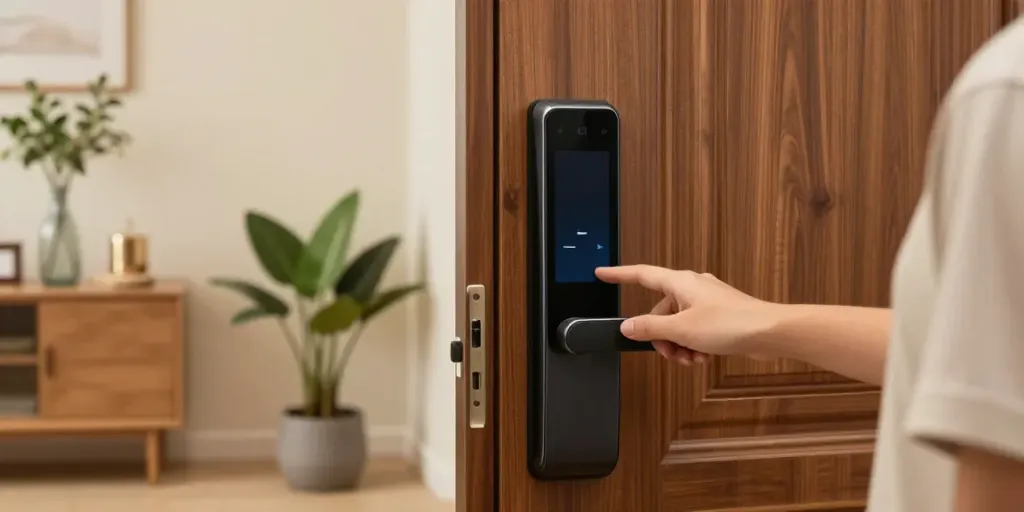
Understanding Smart Locks
As the world becomes increasingly digitized, home security is evolving alongside these technological advances. Smart locks represent a significant leap in how we think about security, integrating modern technology with traditional locking mechanisms. These innovative devices offer various features ranging from remote access to biometric entry, making it easier than ever to secure your home. When exploring options, خرید قفل هوشمند provides comprehensive insights on the latest models and their functionalities.
What is a Smart Lock?
A smart lock is an electronic lock that allows you to control access to your property using a smartphone app, keypad, or biometric methods like fingerprints. Unlike traditional locks that rely solely on physical keys, smart locks offer enhanced features such as remote locking and unlocking, activity logs, and integration with smart home systems. They can be installed on various types of doors and often come with a backup method for entry in case of power failure or dead batteries.
Different Types of Smart Locks
Smart locks are available in various types, each offering distinct methods for entry and security features. Here are some of the most common:
- Keypad Locks: Users enter a code to unlock the door. This type requires users to remember their access codes but eliminates the need for physical keys.
- Biometric Locks: These locks use fingerprint recognition to grant access, enhancing security by ensuring only registered fingerprints can unlock the door.
- Wi-Fi Enabled Locks: By connecting to a Wi-Fi network, these locks allow users to control access remotely through a smartphone app. This feature is particularly useful for monitoring entries while away from home.
- Smart Lock with Camera: Some advanced models come with built-in cameras that provide a visual feed or allow for two-way communication, adding an extra layer of security.
Key Features to Look For
When choosing a smart lock, consider the following key features that can enhance your security and convenience:
- Remote Access: The ability to lock or unlock your door from anywhere through a mobile app.
- Activity Log: A record of who entered and exited, allowing you to monitor access to your home.
- Durability: Look for locks with weather-resistant features, especially if they will be installed on exterior doors.
- Multiple Entry Methods: A combination of keypad, fingerprint, and smartphone access can provide versatility for different users.
Choosing the Right Smart Lock
How to Assess Your Security Needs
Before making a purchase, it’s vital to assess your specific security needs. Consider factors such as the location of your property, the risk of theft in the area, and the type of entry points you need to secure. For instance, if you frequently have guests or service people entering your home, a lock with remote access and activity logs may be beneficial. On the other hand, if you live in a low-risk neighborhood, a simpler model may suffice.
Comparing Biometric and Keypad Locks
The choice between biometric locks and keypad locks often comes down to personal preference and security requirements. Biometric locks offer a higher level of security as they are less susceptible to unauthorized access. However, they usually come at a higher price point. Keypad locks, while generally more affordable, require users to remember access codes, which can be a potential security risk if these codes are shared or forgotten.
Positioning Smart Locks Strategically
In addition to selecting the right lock type, consider where to install it. High-traffic entry points like front doors or garages benefit from more advanced locking mechanisms, while low-traffic areas may require simpler solutions. Additionally, positioning smart locks away from direct sunlight or extreme weather can enhance their longevity and functionality.
Cost Considerations for Smart Locks
Budgeting for Smart Lock Purchases
Smart lock prices can range significantly based on features and brand. Basic models may start at around $100, while high-end smart locks with advanced functionalities can exceed $300. It’s essential to budget not only for the purchase price but also for installation, especially if professional help is needed.
Evaluating Value Against Features
When considering the cost, evaluate the features that are essential for your security needs. Sometimes, spending a bit more on a high-quality lock may save you money in the long run, as it can provide greater durability and lower the risk of theft.
Understanding Installation Costs
Installation costs can vary depending on whether you choose to install the smart lock yourself or hire a professional. DIY installation is often straightforward, especially for newer models designed for easy setup. However, if you’re not comfortable with home improvement tasks, hiring a locksmith or contractor may be worth the investment to ensure the lock is installed correctly.
Future Trends in Smart Lock Technology
Emerging Technologies in 2026
As technology continues to evolve, smart locks are becoming more sophisticated. Future trends may include enhanced artificial intelligence capabilities for better user experience and security features, such as machine learning algorithms that can adapt to user behavior and improve access control dynamically.
Integration with Smart Home Systems
Expect increased integration of smart locks with broader home automation systems. These locks may work in conjunction with smart lighting, cameras, and security systems, allowing for seamless control and monitoring from a central hub.
Predicted User Adoption Trends
As awareness of home security increases, user adoption of smart locks is likely to grow. Features such as remote access and monitoring will appeal to more tech-savvy homeowners, while the evolution of user-friendly interfaces will attract those hesitant to switch from traditional locks.
FAQs About Smart Locks
How secure are smart locks compared to traditional locks?
Generally, smart locks provide superior security compared to traditional locks, thanks to their advanced technology, such as biometric entry and remote access. However, the security level depends on the quality and features of the specific model chosen.
Can smart locks work without Wi-Fi?
Some smart locks can function without Wi-Fi through Bluetooth connectivity, allowing users to unlock doors using a smartphone app when in close proximity. However, Wi-Fi connectivity enhances the lock's capabilities by enabling remote access.
What happens if the battery dies?
Most smart locks come with backup options like key access or a physical keyhole for emergencies. Some models also have low-battery alerts through the app, allowing users to replace batteries before they die completely.
Are there smart locks that don’t require smartphone apps?
Yes, several smart locks offer keypad or biometric access that doesn’t require a smartphone. These can provide convenience for users who prefer not to use mobile apps.
How can I ensure my smart lock is safe from hacking?
To ensure the security of your smart lock, choose reputable brands, enable multi-factor authentication when available, and regularly update any firmware. Additionally, using strong, unique passwords for associated accounts can help mitigate hacking risks.