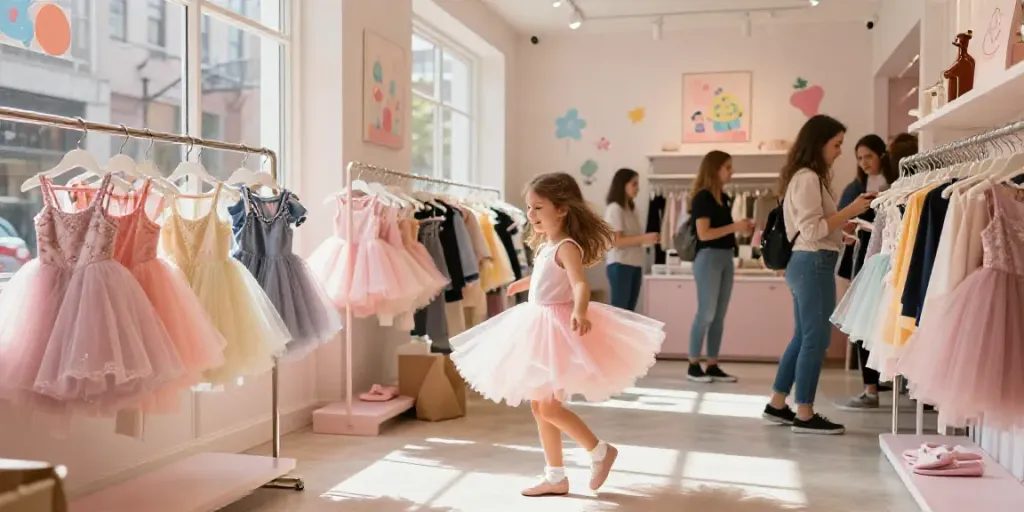
Understanding the Tutu Store Concept
The world of dance fashion has seen an intriguing evolution with the rise of specialized retailers known as tutu store. These unique boutiques are not just about selling costumes; they embody a vibrant culture dedicated to dance, performance, and self-expression. A tutu store caters to a diverse clientele, ranging from professional dancers to parents seeking the perfect outfit for their child’s recital. Showcasing an array of products, these stores create a magical shopping experience that resonates with the artistry of dance.
What Defines a Tutu Store?
A tutu store serves as a specialized retail space focused primarily on dance apparel, specifically tutus and related accessories. These stores typically offer a wide variety of styles, including traditional ballet tutus, contemporary designs, and unique custom pieces. Furthermore, the atmosphere of a tutu store is often designed to inspire creativity, featuring decor that reflects the beauty and grace of dance. Shoppers can find everything they need to prepare for performances, from costumes to shoes, making these stores a one-stop shop for all things dance-related.
The Evolution of Tutu Fashion
The tutu has undergone significant transformations since its humble beginnings in 19th-century ballet. Initially crafted from stiff tulle to emphasize the graceful lines of the human form, tutus have now diversified into various styles suitable for different dance genres and personal tastes. Modern tutu stores carry an array of options from classical to avant-garde styles, ensuring that dancers can express their individuality through their attire. This evolution is largely influenced by cultural shifts and the increasing popularity of dance in mainstream media.
Key Elements of a Successful Tutu Store
To thrive in the competitive landscape of dance retail, a tutu store must focus on several key elements:
- Diverse Product Range: Offering a wide selection of tutus, dancewear, and accessories is essential to meet various customer needs.
- Expert Staff: Knowledgeable and passionate staff can provide personalized service, helping customers find the perfect fit and style.
- Community Engagement: A successful tutu store often fosters a sense of community, hosting events, workshops, and classes that bring dancers together.
- Online Presence: In the digital age, a robust online store facilitates wider reach and accessibility, allowing customers to shop from anywhere.
Essential Products Offered by Tutu Stores
Within a tutu store’s diverse inventory, various products cater to the needs of dancers and enthusiasts alike. Understanding the range of items offered can help customers make informed choices for both performance and practice.
Types of Tutus Available
Tutus come in many forms, each tailored to specific styles of dance and performance needs. The main types include:
- Ballet Tutus: Characterized by their structured layers, these are designed to support movements typical in classical ballet.
- Contemporary Tutus: More flexible and less rigid, these tutus are great for modern dance performances.
- Special Occasion Tutus: Often designed for recitals, parties, or celebrations, these tutus are available in vibrant colors and unique designs.
- Custom Tutus: Many tutu stores offer customization options, allowing dancers to choose styles, colors, and embellishments that match their personality.
Complementary Accessories and Apparel
Besides tutus, many stores also stock complementary accessories that enhance the dancer’s experience. These may include:
- Ballet Slippers: Essential footwear for ballet dancers, available in various styles and materials.
- Dancewear: Items such as leotards, leggings, and warm-ups that are functional yet stylish.
- Hair Accessories: From hairpins to tiaras, these items help complete the dancer’s look.
- Costume Accessories: Items such as wings, gloves, and tutus for performances beyond ballet.
Special Occasion vs. Everyday Wear
Tutus can serve different purposes depending on the occasion. For instance:
- Everyday Wear: For practice or casual performances, simpler, durable fabrics are ideal.
- Special Occasions: For performances or recitals, tutus may feature elaborate designs with sequins, glitter, and unique silhouettes that captivate onlookers.
The Customer Experience in a Tutu Store
The shopping experience in a tutu store can make or break the customer’s perception of the brand. A nurturing environment invites customers to explore and feel inspired.
Creating an Inviting Atmosphere
Designing a welcoming store environment is crucial for attracting and retaining customers. Factors that contribute to a positive atmosphere include:
- Welcoming Decor: Bright colors and dance-themed art can create an uplifting space that embodies creativity.
- Interactive Displays: Allowing customers to touch and try products encourages engagement and makes shopping an enjoyable experience.
- Comfortable Layout: Ensuring ample space for customers to browse freely reduces crowding and enhances the overall shopping experience.
Staff Engagement and Customer Service Best Practices
Well-trained staff play a vital role in customer satisfaction. Best practices for engagement include:
- Personalized Assistance: Staff should take the time to understand customer needs and provide tailored recommendations.
- Knowledge Sharing: Employees should be well-versed in dance terminology and product specifics to build credibility with customers.
- Positive Interactions: Friendly and approachable staff can create memorable experiences that encourage repeat visits.
Interactive Shopping Experiences
Implementing interactive elements in-store can significantly enhance customer engagement. Ideas include:
- Workshops and Classes: Hosting sessions on dance styles or tutu-making encourages community building.
- Fashion Shows: Organizing events where customers can see products in action helps promote items effectively.
- Loyalty Programs: Rewarding customers for their purchases encourages them to return and share their experiences with others.
Marketing Strategies for Tutu Stores
In an increasingly competitive market, effective marketing strategies are essential for a tutu store’s success. Businesses must leverage various channels to reach their target audiences effectively.
Utilizing Social Media Effectively
Social media is a powerful tool for tutu stores to connect with their audience. Strategies include:
- Visual Content: High-quality images and videos showcasing products can capture attention and drive engagement.
- User-Generated Content: Encouraging customers to share their own photos in tutus promotes a sense of community and brand loyalty.
- Incentives for Engagement: Promotions, contests, or giveaways can increase followers and boost engagement.
Building a Community Around the Brand
Creating a sense of belonging can foster loyalty among customers. Tactics may involve:
- Regular Events: Engaging the community through workshops, showcases, or dance parties builds a dedicated customer base.
- Collaborations: Partnering with local dance schools or studios can expand outreach and enhance credibility.
- Online Forums or Groups: Establishing platforms for customers to share experiences encourages connection and interaction.
Seasonal Promotions and Events
Taking advantage of seasonal events or holidays can significantly boost sales. Considerations include:
- Themed Sales: Running promotions around major dance events, holidays, or back-to-school can attract new customers.
- Holiday Gift Guides: Curating special collections for gifting showcases the store’s versatility and encourages purchases.
- Collaborative Events: Teaming up with local performers for holiday shows can drive traffic and create buzz around the brand.
Future Trends in Tutu Retail for 2026
As we approach 2026, several trends are likely to shape the future of tutu retail. Staying informed about these developments will help stores adapt and thrive.
Eco-Friendly and Sustainable Materials
With increasing consumer awareness of environmental issues, tutu stores are expected to shift towards eco-friendly materials. Sustainable practices could include:
- Biodegradable Fabrics: Offering tutus made from organic or recycled materials can resonate with environmentally conscious customers.
- Ethical Sourcing: Transparency in production processes further enhances brand reputation by appealing to eco-aware shoppers.
- Recycling Programs: Implementing initiatives where customers can return old tutus for recycling can encourage responsible consumerism.
Innovations in Tutu Design and Performance
Advancements in textile technology may lead to innovative tutu designs that enhance performance. Potential innovations include:
- Moisture-Wicking Fabrics: Fabrics that manage sweat can improve comfort during intense rehearsals or performances.
- Lightweight Materials: Newer materials may allow for more intricate designs without sacrificing comfort or movement.
- Smart Fabrics: Integration of technology could lead to tutus that provide feedback on performance or assist with training.
Embracing Technology in Retail Experiences
The retail landscape continues to evolve with technology, and tutu stores will need to adapt. Key trends may include:
- Augmented Reality: Implementing AR fitting rooms allows customers to visualize products on themselves without trying them on physically.
- Data-Driven Decisions: Utilizing customer data to personalize marketing strategies can enhance engagement and customer satisfaction.
- Seamless Online Shopping: Improving online shopping experiences through user-friendly interfaces and optimized mobile platforms will cater to tech-savvy consumers.
What types of tutus are best for young dancers?
For young dancers, softer materials are often recommended along with designs that allow for movement and comfort. Look for tutus with elastic waistbands and lightweight fabrics.
How do I choose the right size tutu for my child?
To determine the correct size, measure your child’s waist and refer to the size chart provided by the tutu store. It’s also essential to allow room for growth, especially for children.
Are there customization options available for tutus?
Many tutu stores offer customization options, allowing you to choose colors, embellishments, and styles to create a unique piece tailored to your child’s preferences.
Where can I find a tutu store near me?
Searching online for local options or using platforms like Google Maps can provide directions to the nearest tutu stores in your area.
What occasions are best for wearing tutus?
Tutus are versatile and suitable for various occasions, including dance recitals, costume parties, birthday celebrations, and even themed events where a touch of whimsy is desired.