Understanding DTF Transfer Sheets
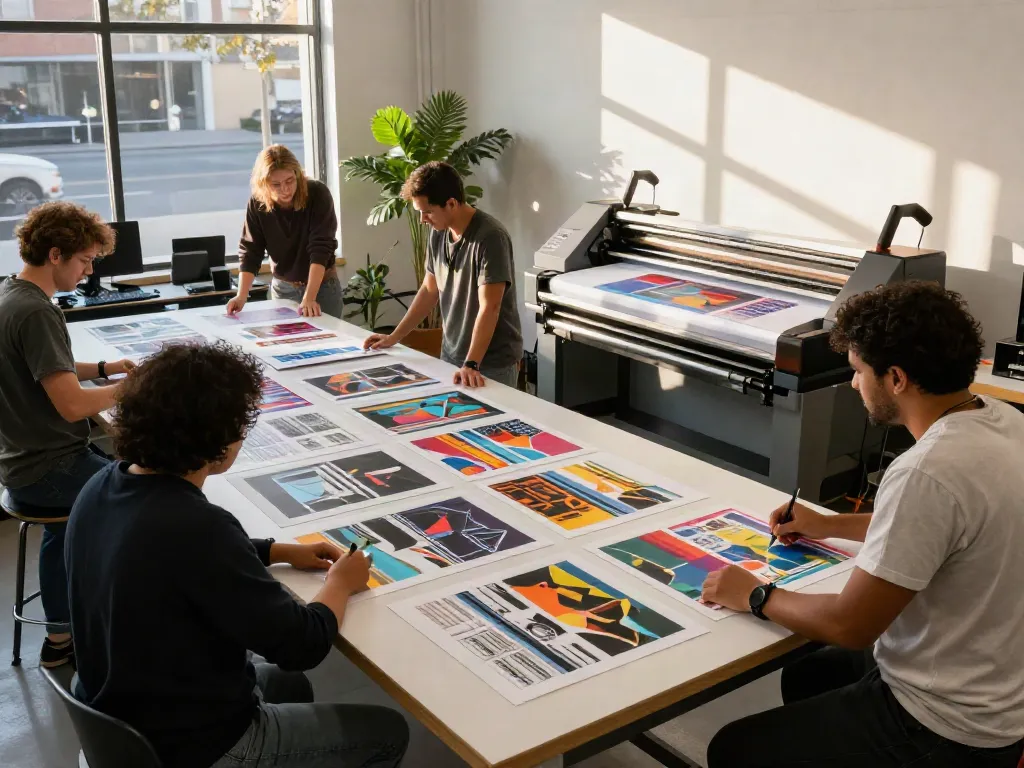
Direct to Film (DTF) transfer sheets have revolutionized the custom printing landscape, offering exceptional quality and versatility for various applications. At the forefront of this trend is DTF transfer sheet technology, which enables businesses to produce vibrant, high-resolution prints that adhere seamlessly to a wide range of fabrics. This innovation is especially significant for entrepreneurs looking to create custom apparel, merchandise, and promotional products without the constraints of minimum order quantities.
What is a DTF Transfer Sheet?
A DTF transfer sheet is a specialized film that has been printed with designs using high-performance inks. The transfer process involves printing designs onto a film, applying a powder adhesive, and then using a heat press to transfer the design onto the desired material. This method not only allows for intricate designs but also enhances durability and wash resistance, making it ideal for clothing that can withstand frequent use and laundering.
Benefits of Using DTF Transfer Sheets
- No Minimum Orders: Unlike traditional screen printing methods that require large batch sizes, DTF printing allows for single or small runs without hassle, making it ideal for startups and custom orders.
- Vibrant Color Range: DTF inks produce stunning colors, enabling businesses to replicate intricate designs and logos accurately.
- Material Versatility: DTF transfer sheets can be applied to a variety of fabrics, including cotton, polyester, and blends, expanding the range of products you can offer.
- Easy Application: Applying a DTF transfer is straightforward—simply heat press the design onto the fabric, making it accessible even for those new to printing.
Common Applications in Business
DTF transfer sheets are used across multiple industries. Clothing brands utilize them for custom apparel, while promotional product companies leverage their versatility for creating branded merchandise. Small businesses can achieve impressive results without high upfront costs, making DTF a popular choice for entrepreneurs.
Choosing the Right DTF Transfer Equipment
Selecting the right equipment is crucial to achieving high-quality prints. The choice of printer and heat press significantly impacts the outcome of your DTF prints. When investing in equipment, consider your specific needs, such as the types of designs you want to produce and the volume of prints required.
Essential Tools for Effective Printing
- DTF Printer: A dedicated DTF printer is essential. Look for one that can accommodate the film sizes you plan to use.
- Heat Press: A reliable heat press machine ensures even heat distribution, which is crucial for successful transfers.
- Software: Design software compatible with your printer helps in preparing artwork effectively for optimal results.
Comparative Analysis of Heat Press Machines
Investing in a quality heat press is vital for achieving professional results. There are two primary types of heat presses: clamshell and swing-away. Clamshell presses are compact and suitable for small spaces, while swing-away models provide greater accessibility and even pressure distribution, which can be beneficial for DTF transfers.
In-House vs. Outsourcing: What Works Best?
Deciding whether to handle printing in-house or to outsource can impact your business model significantly. In-house printing offers greater control over the quality and turnaround times, while outsourcing can save costs initially. Assess your production needs, budget, and expertise to determine the best approach for your specific circumstances.
Designing for DTF Transfers
Effective design is at the core of successful DTF printing. Ensuring your graphics are optimized for transfer is essential to achieving vibrant and long-lasting results.
Best Practices for Design Files
When creating designs for DTF transfers, it is crucial to use high-resolution images and to keep in mind the color settings of your printer. Designs should be prepared in CMYK mode, as this will more accurately reflect the colors that will be reproduced in the final print.
Color Management for Optimal Results
To achieve the best color representation, utilize color calibration tools to ensure your printer and display monitor match. This step reduces discrepancies between what you see on the screen and the final printed product.
Preparing Artworks for Printing
Before printing, ensure that your artwork is adequately layered for DTF transfer. This means using transparent backgrounds and properly sizing your designs to fit the intended items, maximizing print quality.
Strategies for Marketing DTF Transfers
Marketing your DTF transfer services effectively can enhance your business visibility and attract customers. Understanding your target audience and utilizing the right platforms for engagement is key to building your brand.
Identifying Your Target Audience
Take the time to research and define the demographics of your ideal customer. Are you targeting clothing brands, businesses seeking promotional items, or craft enthusiasts? Understanding their needs will guide your marketing efforts and product offerings.
Creating Engaging Content for Social Media
Content marketing plays a significant role in attracting customers. Share behind-the-scenes videos showcasing the printing process, customer testimonials, and finished products. Engaging visuals can capture attention and highlight your expertise in DTF printing.
Leveraging Local SEO for Print Shops
Optimizing your online presence for local searches can help you attract clients in your area. Utilize local SEO strategies, such as creating a Google My Business profile and collecting customer reviews, to enhance your visibility and credibility.
Future Trends in DTF Printing
The landscape of DTF printing is constantly evolving, with new technologies and trends emerging regularly. Staying informed can position your business for future successes.
Innovations on the Horizon: What to Expect in 2026
By 2026, we can expect advancements in printing technology that enhance speed, reduce costs, and improve print quality. Additionally, there may be developments in eco-friendly inks and materials, catering to the increasing demand for sustainable products.
Adapting to Market Changes and Client Demands
Flexibility and responsiveness are essential for any business. As customer preferences shift towards unique, customized products, enhancing your offerings and capabilities will help you remain competitive in the market.
Case Studies of Successful DTF Implementations
Analyzing successful businesses using DTF technology can provide actionable insights. Look into case studies that showcase how companies have leveraged DTF transfers to enhance their product lines or improve operational efficiency.
How do I create my own DTF transfers?
Creating your own DTF transfers involves using a dedicated printer to print designs on a special film, applying an adhesive, and then using a heat press to transfer the images onto fabric. There are many guides and tutorials available that can walk you through the process step-by-step.
How much does a DTF sheet cost?
The cost of a DTF transfer sheet can vary based on size, design complexity, and printing service provider. Generally, prices can range from a few dollars to higher amounts for complex or large-scale prints.
Can you print DTF transfers on a regular printer?
DTF printing requires specific printers capable of handling the special inks and films used in the process. Regular inkjet printers are not suitable for this application.
What are the advantages of DTF over traditional methods?
DTF printing offers several advantages over traditional methods like screen printing, including no minimum order requirements, faster turnaround times, and greater versatility across different fabric types.
How to ensure the best quality DTF prints?
To ensure high-quality DTF prints, focus on using high-resolution artwork, calibrating your printer, and adhering to proper heat press settings. Additionally, selecting quality transfer sheets and inks will significantly impact the final product's appearance and durability.