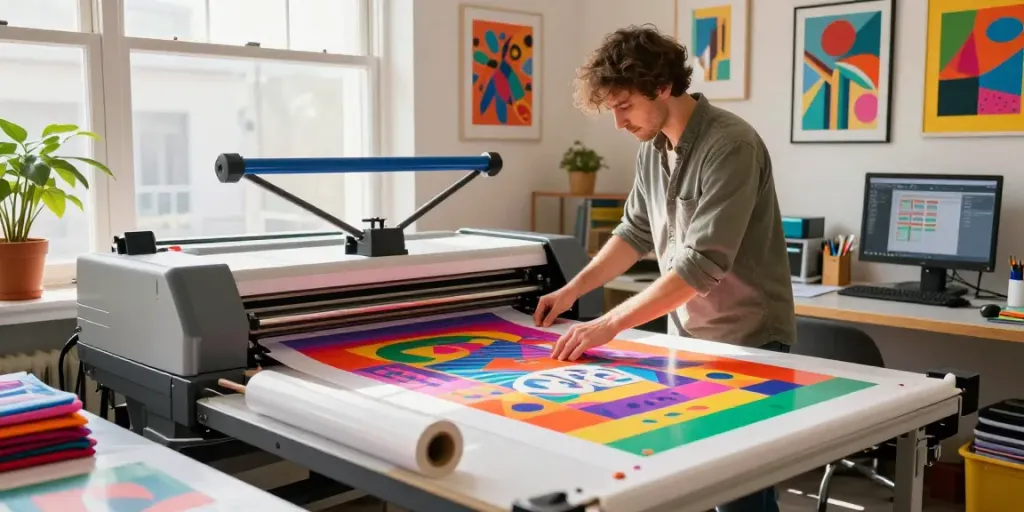
Understanding DTF Transfer Sheets
Direct to Film (DTF) transfer sheets have revolutionized the custom printing industry, allowing businesses and creators to achieve vibrant, high-quality prints with ease. Whether you're a small business owner looking to expand your product offerings or a hobbyist aiming to personalize your apparel, understanding DTF transfer sheets is essential. These sheets provide an exceptional medium for transferring designs onto various materials, from cotton to polyester blends, making them a versatile choice for many applications. When exploring options, DTF transfer sheet services like those offered by Printer Boyz can vastly simplify the process, ensuring top-tier results.
What is a DTF Transfer Sheet?
A DTF transfer sheet is a specialized print medium designed for transferring vibrant graphics onto textiles. These sheets are coated with a special adhesive and are printed using state-of-the-art DTF printers, which apply inks that adhere well to fabrics. This process allows for detailed designs, vivid colors, and excellent durability, making DTF transfer sheets a preferred choice for brands and individuals alike. Unlike traditional printing methods, DTF technology does not limit the type of fabric or color on which designs can be applied, providing unmatched flexibility.
The Technology Behind DTF Printing
The DTF printing process involves several key steps: printing, powder application, curing, and transfer. Initially, a design is printed onto a specially coated film using DTF inks, which are water-based and eco-friendly. After printing, a hot-melt adhesive powder is applied to the wet ink. This powder is then cured with heat, allowing it to bond with the ink and film. Finally, when pressed onto a substrate using a heat press, the design transfers onto the fabric, resulting in a sharp and long-lasting print. This technology ensures minimal weeding and allows for intricate designs.
Benefits of Using DTF Transfer Sheets
DTF transfer sheets come with a myriad of benefits, particularly for small businesses and entrepreneurial ventures. Some advantages include:
- Unlimited Design Options: DTF printing allows for full-color designs without restrictions, enabling a multitude of creative possibilities.
- No Minimum Orders: Many custom print shops, including Printer Boyz, offer DTF transfers with no minimum order requirements, making it accessible for small runs.
- High Durability: DTF prints are known for their wash-resistance and long-lasting colors, ensuring that products maintain their quality over time.
- Quick Turnaround: DTF printing processes are designed for efficiency, allowing for rapid production times, which is crucial for businesses needing timely deliveries.
- Cost-Effective: Producing DTF transfers is often more economical compared to other methods, especially when considering low-run prints.
Creating Custom DTF Designs
To make the most out of DTF transfer sheets, one must understand how to create compelling designs that translate well onto fabric. The design phase is crucial and can be enhanced by utilizing various software tools.
Design Software and Tools for DTF Printing
Many graphic design programs are available, each with unique features suited for creating DTF designs. Popular choices include:
- Adobe Illustrator: Industry-standard for vector graphics, ideal for intricate designs.
- CorelDRAW: Offers robust design tools and is popular among print shops.
- Canva: A user-friendly option for quick designs, particularly suitable for beginners.
It's essential to ensure that any design is saved in a high-resolution format suitable for printing. Vector files (such as .SVG or .EPS) are typically preferred for their scalability without loss of quality.
Common Graphic Design Mistakes to Avoid
While creating designs for DTF transfer sheets, several common mistakes can hinder the quality of the final product:
- Low Resolution: Using low-resolution images can lead to pixelation in the final print. Always aim for at least 300 DPI.
- Poor Color Management: Colors on-screen may not match printed output. Testing samples can help ensure accuracy.
- Ignoring Overprints: Failing to consider how colors overlap can impact the vibrancy of the design.
Exploring Color Palettes and Textures
Creating appealing designs involves understanding color theory and how different textures can affect the final product. Bold, contrasting colors often stand out best on fabric, while subtle textures can add depth to a design. Experimenting with various palettes can result in unique and impactful designs that attract customers.
Printing Process and Techniques
Understanding the printing process is vital for achieving the best results with DTF transfer sheets. Each step in the process can affect the quality and durability of the final print.
Step-by-Step Guide to Printing DTF Transfer Sheets
The process of printing DTF transfer sheets can be broken down into several critical steps:
- Prepare the Design: Finalize your design using the chosen software and ensure it is in the correct format.
- Print the Design: Load the DTF film into the printer and print the design using suitable DTF inks.
- Apply Adhesive Powder: Sprinkle the hot-melt adhesive powder evenly over the printed design.
- Cure the Transfer: Use a heat source to cure the adhesive, ensuring it bonds with the ink.
- Cut and Transfer: Cut the transfer sheet to the desired size and apply it to the fabric using a heat press.
Choosing the Right Equipment for DTF Printing
Selecting the appropriate equipment significantly impacts the quality of DTF prints. Essential equipment includes:
- DTF Printer: A printer specifically designed for DTF printing, capable of handling hot-melt adhesives.
- Heat Press: A reliable heat press is crucial for applying the transfers effectively.
- DTF Film: Quality film will ensure that prints adhere properly and maintain vibrant colors.
Troubleshooting Common Printing Issues
Even seasoned printers may encounter issues with DTF printing. Common problems and their solutions include:
- Blurry Prints: This can be caused by low-quality images. Always use high-resolution files.
- Poor Adhesion: Ensure proper curing of the adhesive and the correct temperature settings on the heat press.
- Color Issues: Conduct color tests to ensure that the printed outcome matches the digital design.
Applications of DTF Transfer Sheets
DTF transfer sheets offer versatility in their applications, making them ideal for a variety of industries. Understanding how to leverage these applications can enhance product offerings.
Best Practices for Apparel Printing
When using DTF transfer sheets for apparel, keep these best practices in mind:
- Pre-Wash Fabrics: Washing garments before applying transfers can help remove any chemical residues.
- Heat Settings: Always follow recommended heat settings for the specific fabric type for optimal results.
- Test Samples: Produce test samples before mass production to ensure quality and durability.
Using DTF Transfer Sheets for Merchandise and Branding
DTF transfer sheets are particularly effective for merchandise and promotional items. From custom t-shirts to branded bags, the ability to produce high-quality, eye-catching designs adds significant value to products. Businesses can easily create unique promotional materials, enhancing brand visibility and customer loyalty.
Innovative Uses in Home Decor and Crafts
Beyond apparel, DTF transfer sheets can be creatively used in home decor projects. This includes:
- Custom Pillows: Design unique pillow covers that match personal aesthetics or seasonal themes.
- Wall Art: Transfer designs onto canvas or wooden boards for personalized art pieces.
- Craft Projects: Apply transfers on various craft items for unique gifts or decor.
The Future of DTF Printing
The DTF printing industry is continuously evolving, with advancements promising to enhance capabilities and sustainability. Staying informed about these developments can position businesses at the forefront of the industry.
Emerging Trends in DTF Technology
As technology advances, several trends are shaping the future of DTF printing:
- Eco-Friendly Inks: The demand for more sustainable printing practices is leading to innovations in eco-friendly inks.
- Increased Automation: Automation in production processes is expected to enhance efficiency and reduce labor costs.
- Advanced Software Solutions: New design software tools are being developed to simplify the design and printing process.
Sustainability in DTF Printing Solutions
Sustainability is becoming a critical focus in the printing industry. DTF technology supports sustainable practices by reducing waste and allowing for the use of eco-friendly materials. As consumers become more environmentally conscious, businesses that adopt sustainable printing practices are likely to gain a competitive edge.
What to Expect in DTF Printing by 2026
Looking ahead, the DTF printing landscape is set to transform dramatically. We can anticipate:
- Enhanced Technology: With the rapid development of printing technologies, expect even higher resolution and faster printer speeds.
- Broader Material Compatibility: Future advancements may allow DTF transfers to adhere to even more materials, expanding application possibilities.
- Personalization at Scale: The capability for personalized production runs will become more mainstream, catering to the growing demand for unique, individualized products.