
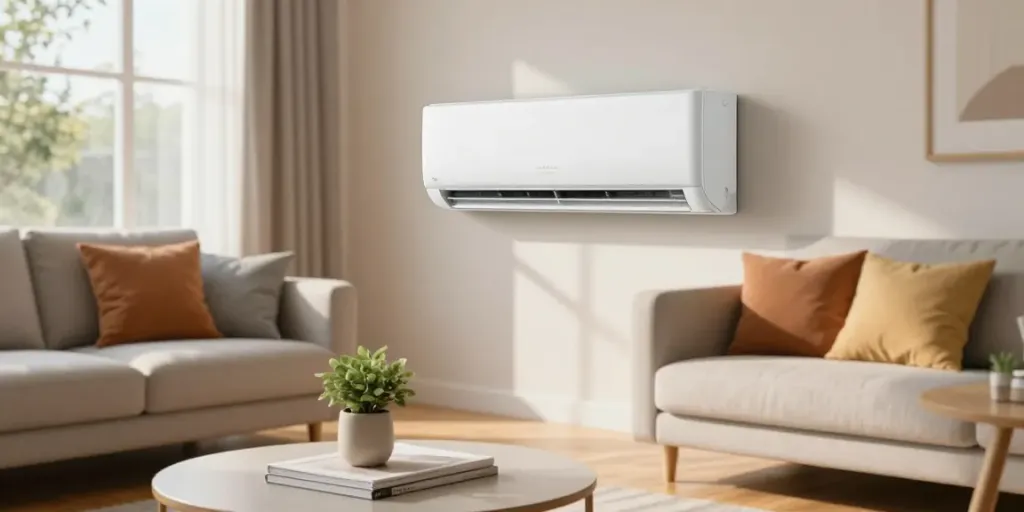
Understanding Mini Split AC Systems
As temperatures rise, homeowners increasingly seek effective solutions to cool their spaces. Among the various air conditioning systems available, the mini split ac has emerged as a standout choice for its efficiency and versatility. Unlike traditional air conditioning systems, mini splits offer innovative technology that caters to specific cooling and heating needs without the hassle of ductwork.
What is a Mini Split AC?
A mini split AC, also known as a ductless air conditioning system, comprises two main components: an outdoor condenser unit and one or more indoor air handlers. This design allows for a streamlined installation process, making it particularly appealing for homes without existing ductwork. The outdoor unit connects to the indoor units via refrigerant lines, enabling efficient temperature control for individual rooms or zones.
Key Features of Mini Split Systems
- Ductless Design: Eliminates the need for extensive ductwork, making installation easier and more cost-effective.
- Energy Efficiency: Mini split systems use inverter technology, allowing for precise temperature control and reduced energy consumption compared to traditional HVAC systems.
- Zone Control: Offers personalized comfort settings for different areas of a home, allowing residents to maintain varying temperatures based on individual preferences.
- Quiet Operation: Mini splits operate at lower noise levels, providing a serene environment conducive to relaxation and productivity.
Benefits Over Traditional AC Units
Compared to traditional air conditioning units, mini split systems present several advantages. Firstly, they are more energy-efficient, which translates into lower utility bills. Their inverter technology allows them to adjust their output based on the needs of the space, reducing energy waste. Additionally, their ductless design minimizes the possibility of energy loss that often occurs with ducted systems. Lastly, the flexibility of placing indoor units wherever necessary means homeowners can cool or heat specific areas without wasting energy on unused rooms.
Choosing the Right Mini Split AC for Your Space
Factors to Consider When Buying
When selecting a mini split AC system, several factors warrant consideration to ensure you make the right choice:
- Cooling Capacity: Look for units based on BTU (British Thermal Units) ratings to match your room size.
- Energy Efficiency Ratio (EER): A higher EER indicates better energy efficiency, which can lead to significant cost savings on your electricity bill.
- Number of Zones Needed: Determine how many indoor units you will need to adequately cool or heat your space.
- Installation Requirements: Assess whether you will require professional installation or if a DIY setup is feasible.
Sizing Your Mini Split AC Appropriately
Correct sizing of your mini split AC is crucial for optimal performance. An undersized unit may struggle to cool a space effectively, while an oversized unit may cycle on and off too frequently, wasting energy and causing temperature fluctuations. A general rule of thumb is to use 20 BTU per square foot of living space; however, factors such as insulation quality, ceiling height, and sun exposure must also be considered.
Common Misconceptions About Mini Split Systems
Despite their popularity, several misconceptions about mini split systems persist:
- High Initial Cost: While mini splits may have a higher upfront cost compared to window units, their energy efficiency leads to long-term savings, making them a cost-effective option.
- Noisy Operation: Many believe that mini splits are noisy, but modern models operate quietly, often producing noise levels comparable to a whisper.
- Difficult Installation: Although installation requires technical knowledge, many homeowners successfully install DIY models, benefiting from instructional resources and kits.
Installation Best Practices for Mini Split ACs
Professional vs. DIY Installation
Choosing between professional installation and DIY largely depends on your comfort level with technical tasks. While DIY installations can save you money, they require a good understanding of electrical systems and refrigerant handling. Hiring a professional ensures the system is installed correctly and efficiently, safeguarding against potential issues down the line.
Step-by-Step Installation Guide
If you opt for a DIY installation, following a structured approach is essential:
- Choose the Installation Location: Select a spot for the indoor and outdoor units that optimizes airflow and accessibility.
- Mount the Indoor Unit: Secure the unit to the wall, ensuring it's level and positioned at an appropriate height.
- Drill a Hole for Piping: Create a hole in the wall for the refrigerant lines, ensuring it slopes down towards the outdoor unit.
- Connect the Lines: Safely connect the refrigerant and electrical lines from the outdoor to the indoor unit.
- Test the System: After installation, follow the manufacturer's instructions to charge the system and perform initial testing.
Tools and Materials Needed for Installation
Gather the following materials before beginning your installation:
- Drill and drill bits
- Level
- Refrigerant line set
- Mounting bracket
- Electrical wiring
- Insulation for refrigerant lines
- Vacuum pump
Maintenance Tips for Optimal Performance
Regular Cleaning and Filter Changes
To keep your mini split AC running efficiently, regular maintenance is critical. Clean the filters every month during peak usage and replace them as necessary. Additionally, clean the outdoor condenser unit regularly to prevent debris buildup that can hinder performance.
Troubleshooting Common Issues
Common problems with mini split systems include:
- Inadequate cooling or heating: Check the filter and ensure it's clean, and verify that the outdoor unit is not obstructed.
- Unusual noises: Rattling or clanking sounds may indicate loose components or debris inside the unit.
- Leaking fluids: This could signify a refrigerant leak or blocked drainage lines; addressing these issues promptly is essential.
When to Call a Professional Technician
If you encounter persistent issues or are uncomfortable performing maintenance and repairs, it's wise to contact a professional technician. They can offer a thorough inspection and resolve any complex problems effectively.
Future Trends in Mini Split AC Technology
Innovations to Expect by 2026
As technology advances, expect mini split AC systems to incorporate smart features, such as app control and environmental sensors that optimize heating and cooling based on current occupancy and weather conditions. Such innovations promise to enhance user convenience and energy efficiency.
Impact of Smart Home Integration
Smart home integration is revolutionizing how we interact with our appliances. Future mini split systems will likely connect seamlessly with home automation systems, allowing users to control their HVAC settings from smartphones, voice assistants, and centralized home management systems, enhancing the overall customer experience.
Energy Efficiency Regulations and Standards
As environmental concerns continue to rise, so will regulations surrounding energy efficiency in HVAC systems. Expect more stringent energy standards, driving manufacturers to innovate and produce even more efficient mini split AC systems that comply with upcoming regulations.
What are the disadvantages of a mini split?
While mini split systems offer numerous benefits, they also come with some drawbacks. These may include:
- Higher Installation Costs: The initial investment can be significant compared to traditional AC units, particularly for multi-zone setups.
- Aesthetic Concerns: Some homeowners may find indoor units less visually appealing compared to central air systems.
- Maintenance Dependency: Without proper upkeep, mini splits can lead to reduced efficiency and operational issues.
Is a mini split AC worth it?
Ultimately, the worth of a mini split AC system largely depends on individual needs and circumstances. For many, the benefits of energy savings, flexibility, and effectiveness outweigh the initial costs, making it a worthwhile investment.
Why is my electric bill so high with mini split?
High electric bills with a mini split AC could stem from improper sizing, inefficient use, or lack of maintenance. Ensure your system is properly sized for your space, and be mindful of setting temperatures that balance comfort with efficiency.
What's the average cost to put in a mini split?
The average cost for installing a mini split AC system varies based on factors like unit size, the complexity of installation, and regional labor costs. Generally, homeowners can expect to pay between $2,000 and $5,000 for a complete installation, depending on the specific requirements.