
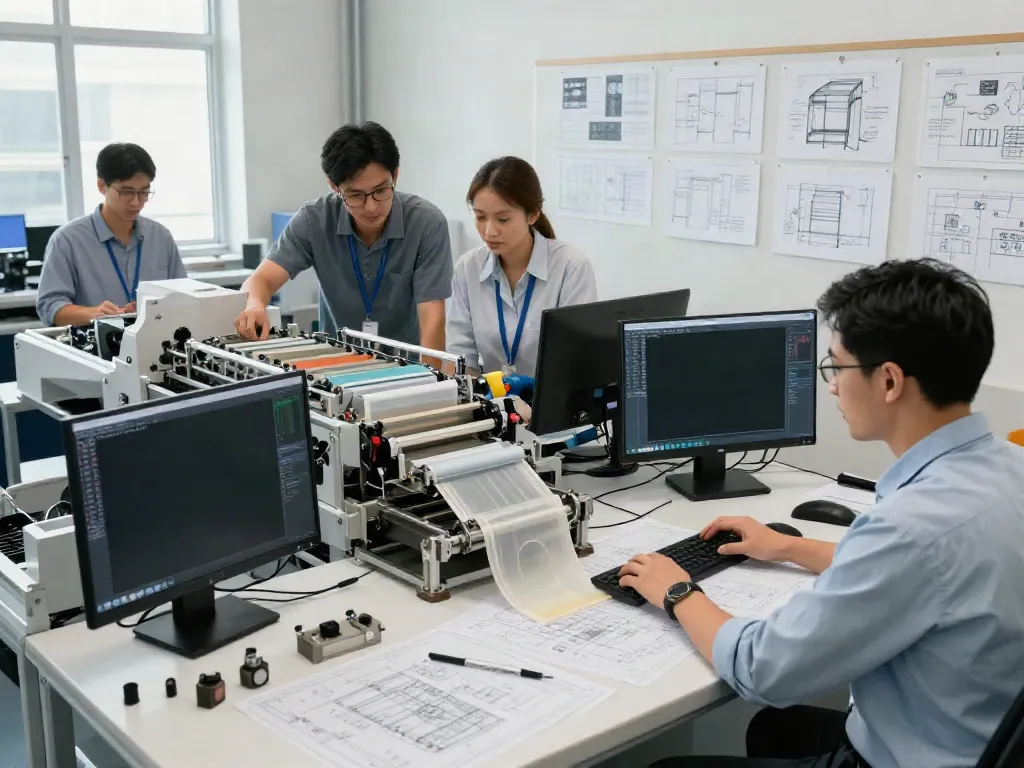
Understanding the Value of a Packaging Machinery Supplier
The choice of a packaging machinery supplier plays a pivotal role in the efficiency and profitability of manufacturing operations. Packaging machinery is not only about putting a product into a box or bag; it is a complex system that impacts production rates, product integrity, and overall operational costs. A reliable supplier can help businesses navigate the ever-evolving landscape of packaging technology, ensuring that they remain competitive and responsive to market demands.
What is a packaging machinery supplier?
A packaging machinery supplier is a specialized manufacturer or distributor that provides machines and systems to package goods efficiently. These suppliers offer a variety of machinery options, including automated systems, bagging machines, and filling lines, tailored to meet the diverse needs of different industries. By focusing on innovation and customization, these suppliers help businesses enhance productivity, reduce waste, and maintain high standards of quality.
The benefits of partnering with specialized suppliers
- Expertise and Knowledge: Specialized suppliers have in-depth industry knowledge and provide insights that can guide businesses in selecting the right equipment.
- Customized Solutions: A good supplier will offer tailored solutions that align with specific production needs and constraints.
- After-Sales Support: Ongoing support, including maintenance and technical assistance, ensures machinery runs optimally.
- Access to Innovations: Suppliers often lead the way in adopting and implementing the latest technologies, which can enhance operational efficiency.
Current market trends in the packaging machinery industry
The packaging machinery industry is witnessing rapid changes driven by technological advancements and shifting consumer preferences. Key trends include:
- Sustainability: More manufacturers are prioritizing eco-friendly packaging solutions that minimize environmental impact.
- Automation: The push towards automated systems continues to grow, with businesses looking to maximize efficiency and reduce labor costs.
- Smart Packaging: The integration of IoT devices allows for enhanced tracking and monitoring of products throughout the supply chain.
- Customization: Brands are increasingly seeking packaging solutions that allow for unique designs and personalization to stand out in competitive markets.
Identifying Your Business Needs
Assessing production capacities and requirements
Before selecting a packaging machinery supplier, it is crucial to conduct a thorough assessment of your production capabilities. Understanding your operational capacity, production volume, and specific product requirements helps in identifying the right machinery. Key aspects to consider include:
- Current production volume and future growth projections.
- Type of products being packaged, including their size, shape, and material.
- Packaging specifications, such as compliance with industry standards.
Common challenges faced by manufacturers
Manufacturers often encounter challenges such as:
- Inconsistent Quality: Variability in packaging quality can lead to product losses and customer dissatisfaction.
- Downtime: Machinery failures during operation can cause significant delays and increased costs.
- Labor Shortages: A lack of skilled labor can hinder the ability to operate and maintain complex machinery.
Tailoring solutions to your operational goals
Each business has unique operational goals that can be supported through tailored packaging solutions. Suppliers that understand these goals can provide systems that not only enhance productivity but also align with overall business strategies, ensuring a cohesive approach to growth.
Evaluating Potential Suppliers
Key factors to consider when selecting a supplier
Choosing the right packaging machinery supplier involves several critical factors:
- Reputation: Research the supplier's track record in the industry, including customer reviews and references.
- Product Range: Ensure the supplier offers a comprehensive range of machinery that suits your needs.
- Customization Capabilities: Assess the supplier's ability to offer tailored solutions to meet your specific requirements.
- Support Services: Consider the level of technical support and after-sales service provided.
How to assess supplier reliability and expertise
Assessing a supplier's reliability can be achieved through:
- Requesting case studies or testimonials from previous clients.
- Conducting site visits to evaluate operations and product quality directly.
- Verifying certifications and compliance with industry standards.
Case studies: Successful supplier partnerships
Analyzing successful collaborations between businesses and packaging machinery suppliers can provide valuable insights. For instance, a food manufacturing company may have partnered with a specialized supplier to implement a new FFS packaging line, resulting in a 30% increase in productivity and a significant reduction in waste. Such examples highlight the transformative potential of effective partnerships.
Implementing and Integrating New Machinery
Steps for a smooth transition to new packaging systems
Integrating new machinery into existing operations requires careful planning. Some key steps include:
- Conducting a thorough needs assessment to determine specific requirements.
- Outlining a clear timeline for implementation, including milestones for each phase.
- Ensuring that all stakeholders are aware of the changes and their roles in the process.
Training workforce on new machinery
Employee training is vital for the successful implementation of new packaging systems. This can involve:
- Hands-on training sessions conducted by the supplier or in-house experts.
- Developing operational manuals and troubleshooting guides for reference.
- Encouraging an open line of communication for ongoing support and feedback.
Measuring performance: Key metrics for success
After installation, it's important to monitor performance through key metrics such as:
- Production efficiency rates.
- Downtime occurrences and their causes.
- Overall equipment effectiveness (OEE).
Future Trends and Innovations in Packaging Machinery
Emerging technologies in packaging systems
The future of packaging machinery is poised for innovation. Emerging trends include:
- Artificial Intelligence: AI integration can optimize production scheduling and predictive maintenance.
- Robotics: Advanced robotics are enhancing precision and speed in packaging processes.
- Biodegradable Materials: A shift towards sustainable materials is likely to drive new machinery designs.
Anticipating industry shifts for 2026 and beyond
As consumer expectations evolve, manufacturers must be prepared for shifts such as a growing demand for transparency in packaging and sustainable practices. This necessitates adaptable machinery that can accommodate changes in packaging requirements.
Preparing your business for future developments
Businesses should proactively prepare for future developments by investing in flexible machinery and remaining informed about industry advancements. Being agile will be key to maintaining a competitive edge.
Frequently Asked Questions
Where can I find packaging machines for sale?
Packaging machines can be found through specialized suppliers, online marketplaces, and industry trade shows.
How much does a packing machine cost?
The cost of packing machines varies widely based on type, size, features, and supplier, typically ranging from a few thousand dollars to several hundred thousand.
What are the top 5 packaging companies in the USA?
Some of the leading packaging companies include PAC Machinery, Pro Pac, Viking Masek, Accutek Packaging Equipment, and Triangle Package Machinery.
What should I consider when upgrading my packaging machinery?
Key considerations include compatibility with existing systems, anticipated production growth, and the cost of ownership over time.
How do I ensure ROI from my packaging machinery investment?
Measuring ROI involves tracking improvements in production efficiency, reduction in waste, and overall cost savings attributable to the new machinery.